
Protection
Ceramic coating vs PPF vs wax: what each one actually does
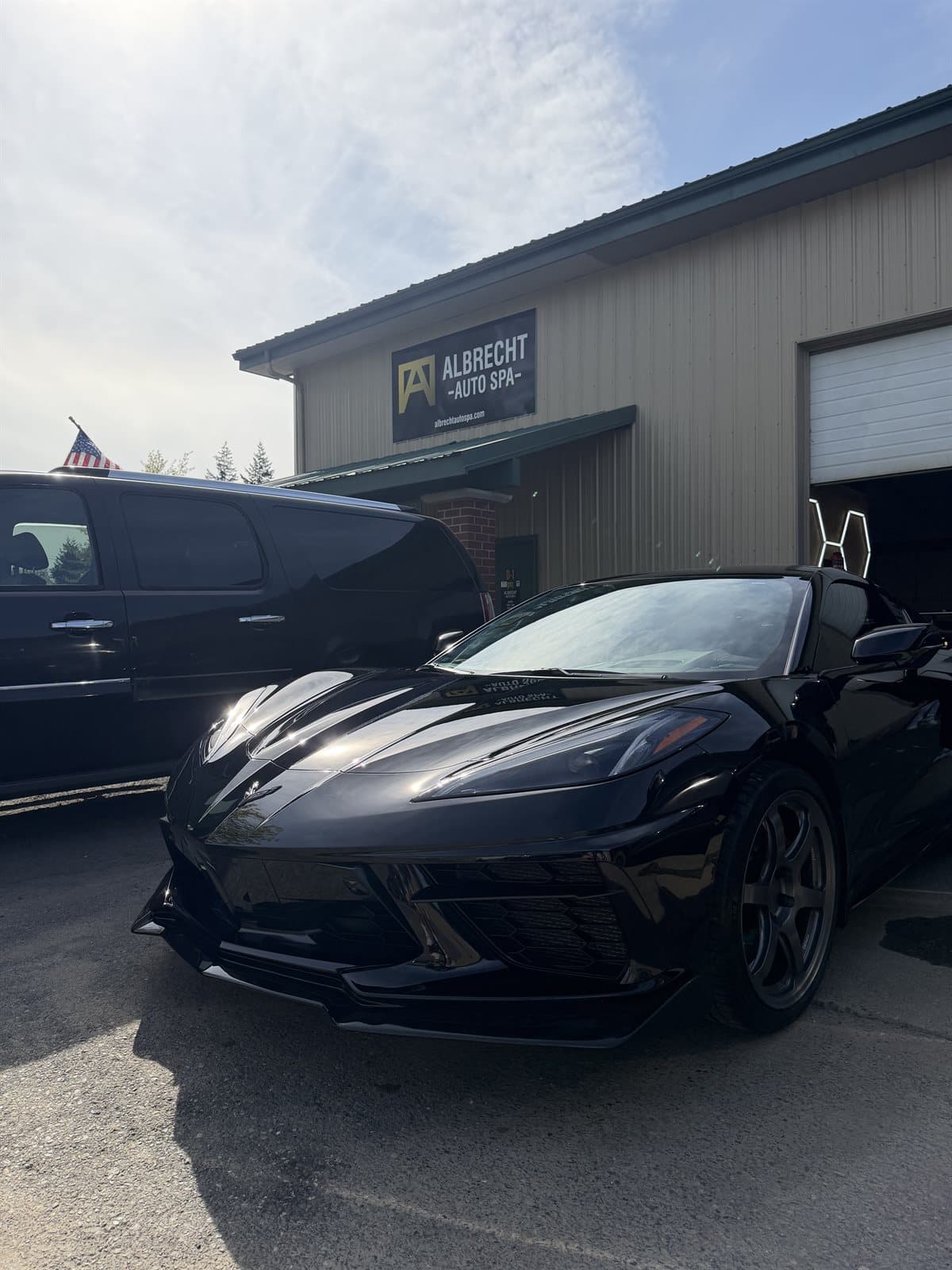
Wax, sealant, ceramic coating and paint protection film get discussed as though they are four points on one scale from cheap to expensive. They are not. They solve different problems, and picking by price rather than by problem is how people end up disappointed with a product that was working exactly as designed.
Wax — appearance, weeks
Carnauba wax sits on top of your clear coat and adds warmth and depth, particularly on darker colours. It is genuinely the best-looking option for a show car photographed the same weekend. It also washes off. In this climate you are looking at four to eight weeks, less if the car lives outside. Wax is cosmetics, not protection.
Sealant — appearance plus a few months
A synthetic sealant is a step up in durability, typically four to six months. Slicker than wax, less warm-looking, and a reasonable choice for a lease return or a car you are about to sell. It still sits on the surface rather than bonding into it, so it is a consumable.
Ceramic coating — chemical protection, years
This is where the category changes rather than just improving. A coating chemically bonds to the clear coat and becomes part of the surface, measured in years rather than months, with registered warranties available. What it protects against is chemical: staining, etching, oxidation, road film, bird droppings, sap and light wash marring.
What it does not do is stop physical impact. This is the single most common misunderstanding in the industry, and it is worth being blunt about — a coating adds hardness at a microscopic scale, which resists the fine scratching a wash mitt causes. It will not stop a stone at seventy miles an hour.
Paint protection film — physical protection, years
Film is a thick clear urethane layer applied over the paint. It absorbs impact energy that would otherwise chip your clear coat. Modern film self-heals light scratches as the material returns to shape, and quality film runs seven to ten years.
It is also the most expensive option per panel, which is why almost nobody should buy full-body coverage. A front-end package — hood, bumper, fenders, mirrors — intercepts the overwhelming majority of road debris for a fraction of the cost.
Which one do you need?
- Selling within a year → sealant. Do not overspend on a car you are handing to someone else.
- Keeping it, parked outside, tired of washing → ceramic coating.
- Rock chips on the hood from the I-5 commute → paint protection film on the front end.
- New car you intend to keep → film on the front end, coating everywhere including over the film.
- Show car or weekend car → correction first, then coating. Wax the weekend of the show if you want the depth.
Why the combination is the standard answer
Film and coating are not competitors. Film handles rocks, coating handles chemistry, and coating applied over film keeps the film itself hydrophobic and easy to clean. On a new vehicle someone intends to own for years, that pairing is genuinely the right answer, and any shop pushing one while dismissing the other is telling you about their capabilities rather than your needs.